Die Museen von Sitges präsentieren ihren Barrierefreiheitsplan 2026–2029 mit dem Ziel, die Museen inklusiver zu gestalten
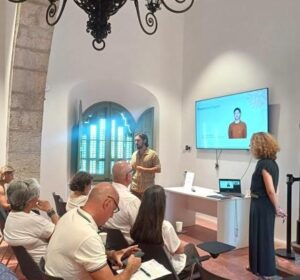
This Wednesday, Museus de Sitges presented their 2026–2029 Accessibility Plan, a strategic document defining the museums’ path towards a more accessible, inclusive model that reflects their commitment to diversity. Drafted by expert Andrea Granell, who holds a PhD in psychology and a master’s degree in cultural communication and production, the plan seeks to ensure that everyone, regardless of their physical, sensory or cognitive abilities, can access, understand and enjoy cultural sites on an equal footing.
The Accessibility Plan is supported and funded by the Government of Catalonia, reinforcing its strategic value and alignment with public policies on cultural accessibility. Designed as a practical and realistic tool, the document outlines a gradual four-year roll-out that will enable sustained progress on accessibility, while respecting the historic and architectural value of Sitges’s museums.
Universal accesibility at hte heart of the plan
The plan is centred around the concept of universal accessibility, defined as the combination of physical, sensory and cognitive accessibility, as well as the need to overcome attitude-based barriers. This perspective expands the traditional concept of accessibility, going beyond architectural adaptations, and focuses on communication, comprehension, visitor autonomy and the overall quality of cultural experiences.
Accessibility is seen as an all-encompassing principle that covers each and every stage of the visit: before, during and after, from initial information and digital communication to the exhibition experience, customer service and community engagement. The plan is based on an inclusive vision that recognises the benefits of accessibility for the general public, not just those with disabilities, as this approach helps create cultural experiences that are clearer, more understandable and more enriching for all.
The Museu del Cau Ferrat and Museu de Maricel, key players in the project
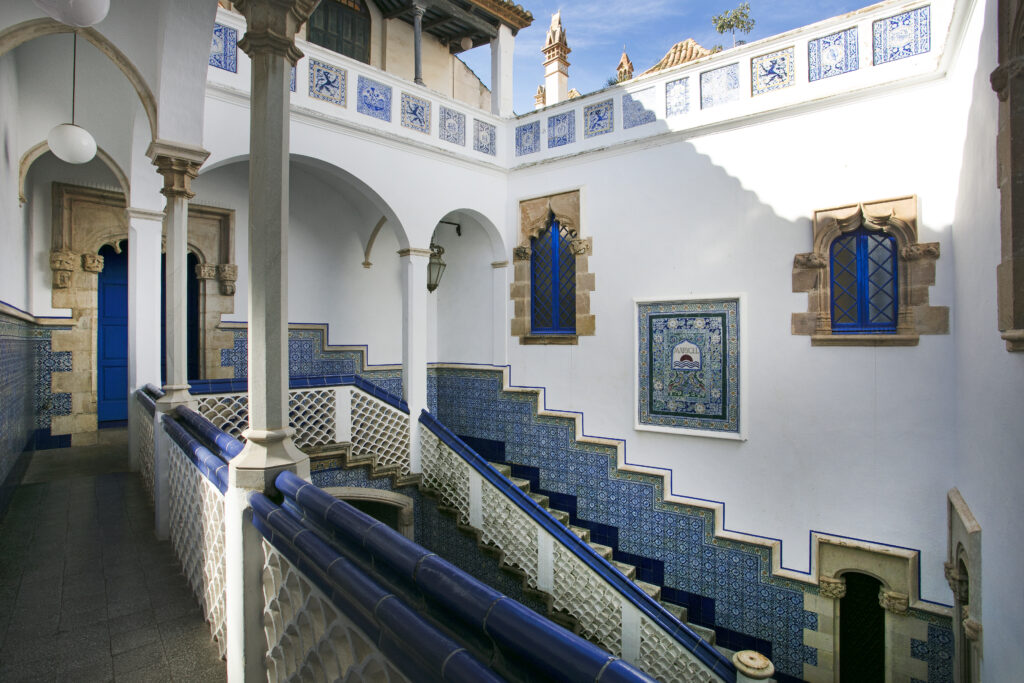
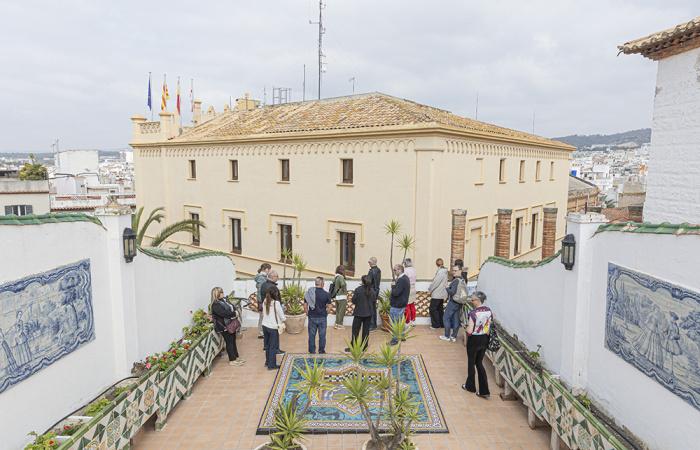
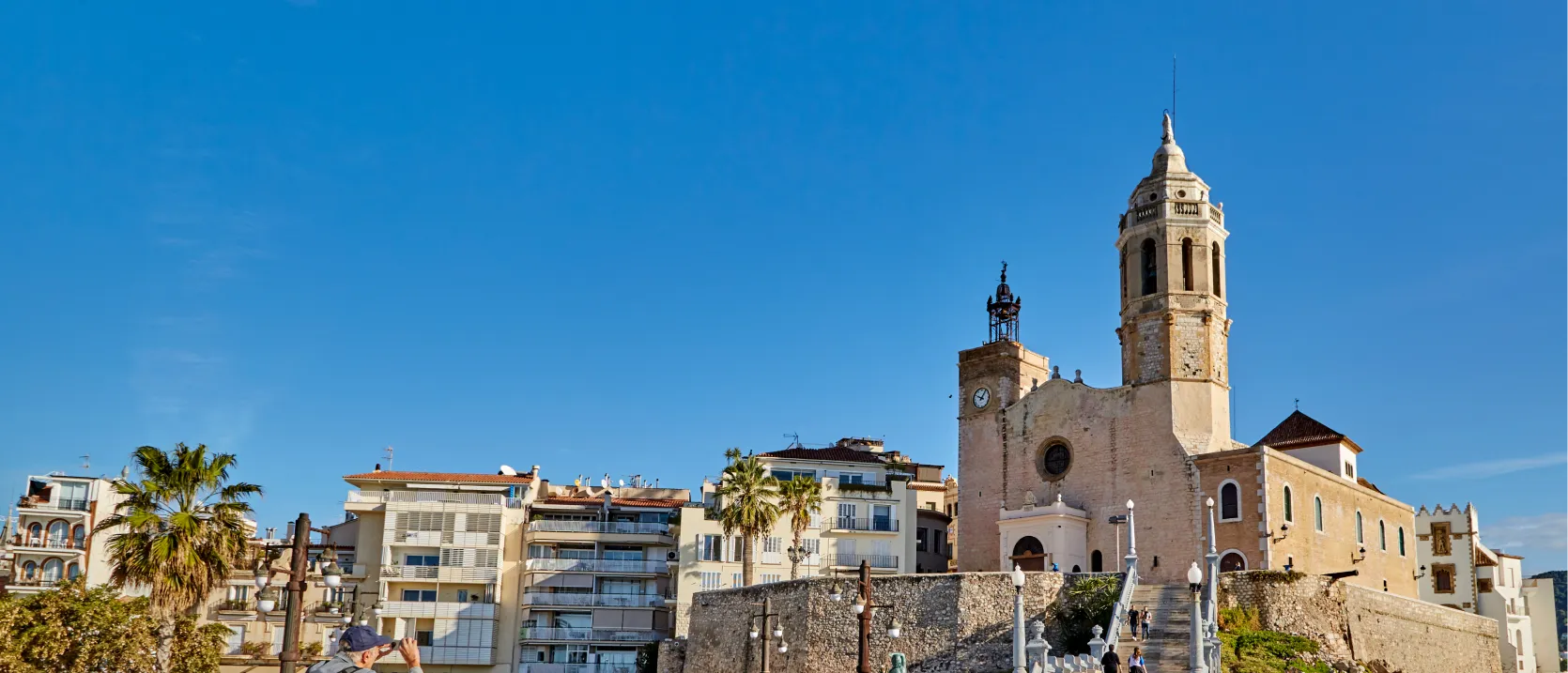
The plan focuses on the Museu del Cau Ferrat and Museu de Maricel, two protected historic buildings that are part of the Museus de Sitges network. Despite improvements in recent years, their architectural layout still poses limitations, making it necessary to plan careful renovations that nonetheless respect the buildings’ historic value.
Special features at the Museus de Sitges so far have included audio descriptions and the incorporation of tactile panels for some of the works in temporary exhibitions. These initiatives have made the museums more sensory-friendly and sensitive to cognitive diversity, while providing a foundation for a broader, more structured plan with a forward-looking vision.
The document also incorporates an analysis of the local community in Sitges, which is home to a diverse population and a significant number of people with disabilities or specific needs, whether officially recognised or not. This situation highlights the need for cultural spaces that are accessible for both local residents and for visitors.
A process based on comunity participation
One of the highlights of the Accessibility Plan is its collaborative nature. The drafting process involved local stakeholders directly through a focus group and online questionnaires, with the participation of people with disabilities, community associations, professionals from the fields of culture, education and health, Museus de Sitges staff, and visitors.
This process made it possible to identify real needs, visitor experiences and specific suggestions for improvement, while also creating a forum for engagement and shared responsibility between the museums and the community.
39 specific initiatives and a phased roll-out
The Accessibility Plan is based on a thorough analysis, drawing on the latest MUSA evaluations from the Government of Catalonia’s Ministry of Culture, as well as technical visits to the facilities. This analysis was used to design 39 specific initiatives covering aspects such as access to the buildings and interior mobility, reception and welcome spaces, signage and maps, exhibition content and museum design, accessible resources (in terms of tactile, auditory, visual and cognitive needs), digital communication and websites, staff training and customer service protocols, as well as safety and accessible evacuation plans.
The initiatives are scheduled to be implemented in phases over the course of the 2026–2029 period, based on criteria such as priority, impact and feasibility. This approach will allow for a gradual, sustainable roll-out process.
Culture, well being and social cohesion
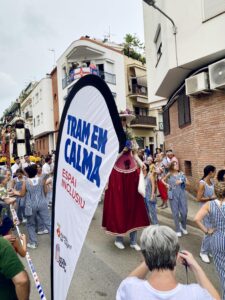
The Accessibility Plan is part of a broader vision of Museus de Sitges as spaces for well-being, health and social cohesion, and reinforces strategies that have already been launched in collaboration with community and cultural associations. This vision sees museums as active stakeholders in developing a more inclusive city model aligned with public policies on accessibility in general and accessible tourism specifically. The inclusive perspective also applies to acquisition policies, taking into account the need to bring visibility to artists with disabilities, promoting more diverse and equitable representation within museum narratives and broadening the range of voices present in the cultural sector.
Through this plan, Museus de Sitges are taking decisive action to transform the museum model, seeing accessibility as not just a legal obligation but also as an opportunity to improve cultural experiences for all.
Teilen
Verwandte Themen
-
- Mai 2026
-
- Juli 2026
-
Noticies
-
- Februar 2026
-